
At our academy, we believe in the transformative power of technology and its ability to shape the world for the better.

A full-stack engineering career path involves becoming skilled in both front-end and back-end development for websites and applications. This means you'll learn how to create the user interface that people see and interact with (front-end) as well as the behind-the-scenes logic, databases, and servers (back-end).
This specialization allows you to work on all aspects of a project, making you a valuable asset in the world of software development.
Job Opportunities: Tech Companies, Government Agencies, Financial Institutions, Gaming Industry
Salary: ($70,000 to $150,000 per year) or (₦2,500,000 to ₦10,000,000 per year)
Introduction to HTML basics
Introduction to basic HTML elements
Using HTML tables, Links,Lists & Images
Styling in HTML using ID and Classes
Creation of HTML forms
Creating a responsive HTML page
Using Colors in HTML
Introduction to HTML media (videos, audios & plugins)
Introduction to CSS selectors and syntaxes
Styling HTML element colors & backgrounds
Element Space Management in CSS (margin, padding, height, width & borders)
Text Element styling in CSS
List, Link & Table HTML element styling in CSS
HTML element position styling in CSS (display, position, z-index, alignment, overflow)
Styling HTML elements using Pseudo-class in CSS
CSS Forms
HTML elements transforms in CSS (shadows, 2D & 3D Transforms & text effects)
CSS Animations & Transitions
CSS Media Queries
CSS Responsiveness of HTML
Introduction to Bootstrap
Bootstrap Grid
Bootstrap Components
Introduction to JS syntaxes, variables & statements
Arithmetic Operations in JS
Introduction to JS data types and methods applicable to each
Data structures, JSON, Arrays & Maps
Conditions in Javascript
Regular Expression in JS
Functions & Objects in Javascript
JS Asynchronous Operations (Promises, Async/Await)
Javascript HTML DOM
API Consumption in JS
Object Oriented Programming
HTML Canvas
Introduction to React (Installation & Commands)
Introduction to JSX
Rendering Elements in React
Data Operations in React
React Hooks
React State Lifecycle
Conditional Rendering & Loops
Styling in React
Forms in React
Code Splitting using Components and Props
Routing
API Consumption
State Management using Redux
Production build
Introduction to TypeScript
TypeScript vs JavaScript
Basic types and type inference
Interfaces and type aliases
Functions and return types
Classes and access modifiers
Enums and generics
TypeScript project setup for Node.js
Configuring tsconfig.json
Compiling and running TypeScript
Type-safe coding best practices
Introduction to Node.js
Node.js architecture (event loop & non-blocking I/O)
Installation and environment setup
Node Package Manager (NPM)
File system management
Core Node.js modules
Request and response management
Routing fundamentals
Managing third-party libraries
Database fundamentals
NoSQL concepts and MongoDB overview
Connecting Node.js to MongoDB
Data modeling and schema design
CRUD operations
Using Mongoose ODM
Error handling in database operations
Introduction to Express.js
Setting up an Express application
Routing and controllers
RESTful API design best practices
Middleware concepts and implementation
Custom and third-party middleware
Request validation and response handling
Centralized error handling
Asynchronous API handling
Authentication and authorization (JWT & sessions)
Rate limiting and response caching
File handling and uploads
Mailing services
Third-party service integration
Cron jobs and background tasks
Environment variables and configuration
Template engines (EJS – overview)
Introduction to Version Control & Git
Download & Install Git on macOS & Windows
Git Setup: Configure Username & Email
Create a New Local Git Repository (Initialize Repository)
Understanding Working Directory, Staging Area & Repository
Track Files with Git
Stage & Commit Files
Write Meaningful Commit Messages
Connect Local Repository to GitHub
Push Code to a Remote Repository
Clone (Download) a Remote Repository
Pull & Fetch Changes from Remote
Git Branches
Resolve Merge Conflicts
View Commit History
Undo Changes
Using .gitignore
Basic Git Workflow for Team Collaboration
Preparing Node.js applications for production
Environment configuration (development vs production)
Build and run processes
Hosting options overview
Deploying Node.js applications
Database hosting and connection security
Logging and monitoring basics
Performance optimization and scalability
Post-deployment best practices
AppClick ICT Academy - Fullstack Engineering Course Overview
AppClick ICT Academy - Fullstack Engineering Course Overview
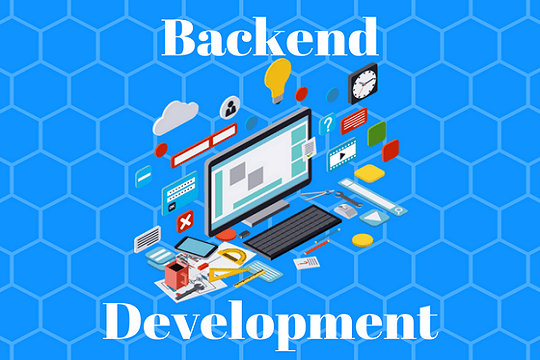
Back-end engineering involves the development and maintenance of the server-side logic, databases, and systems that power the functionality and data management of applications and websites using technologies like ExpresJS, NodeJS, TypeScript, Python, and Django.
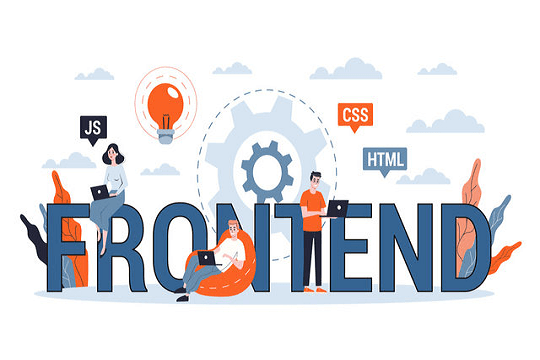
Front-end engineering focuses on creating the beautiful face of a website or app. It's about designing and building the parts that users see and interact with, like buttons, images, and layout. Frontend engineers use languages like HTML, CSS, React Js, Vue js, JavaScript e.tc. to make everything look good and work smoothly.
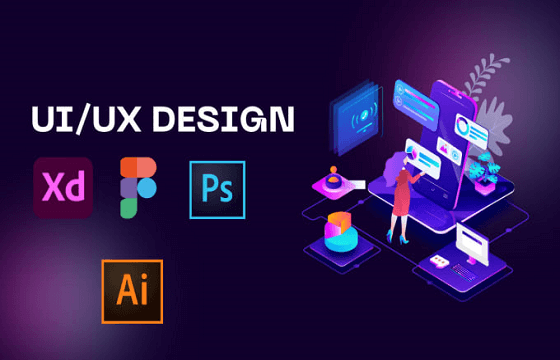
This course is designed to provide you with comprehensive understanding of user interface(UI) and User Experience(UX) design principles. You will gain the knowledge and skills necessary to create visually appealing and user-friendly digital interfaces.



Enroll Today and take advantage of our ongoing Scholarship Program.
Tuition fee:
₦(₦)We have a flexible payment plan that accommodates all backgrounds, and all you need to do is follow the steps below:
Step 1 - Click Here To Fill The Application Form.
Note - After filling the form, you'll be redirected to your portal where you will be asked to pay a one-time Application Fee of ₦10,000. (This covers your Application Form, ID Card, Jotter, Pen & Sticker)
Step 2 - We will review your application and send an email or SMS upon approval.
Step 3 - Log in to your portal to proceed with the tuition fee.
Here are the payment plans:
Option 1 - You may choose to pay once
Option 2 - Pay every month
We can't wait to welcome you on board and embark on this exciting journey together!
Claim your Scholarship today by clicking Here Now